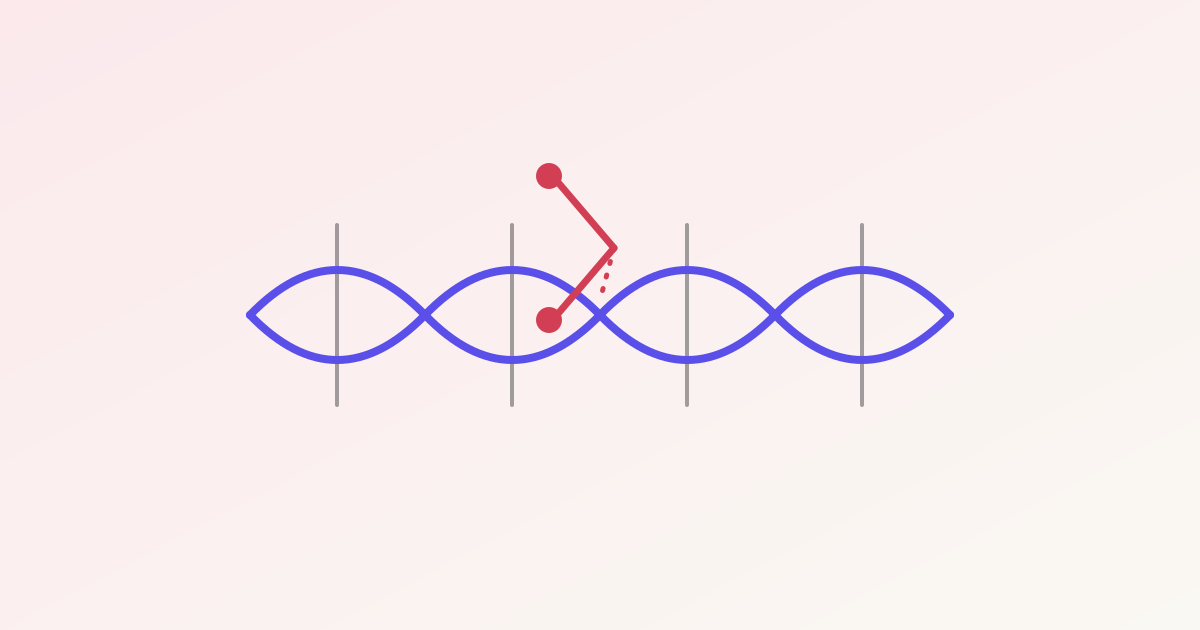
How CRISPR Edits DNA
A bacterial immune system, repurposed: a guide molecule finds an exact sequence of DNA, a protein cuts it, and the cell's own repair machinery does the editing. Find-and-replace for life.
- Biology
The garden
Living documents we keep tending, revising, and growing.
9 documents
A bacterial immune system, repurposed: a guide molecule finds an exact sequence of DNA, a protein cuts it, and the cell's own repair machinery does the editing. Find-and-replace for life.
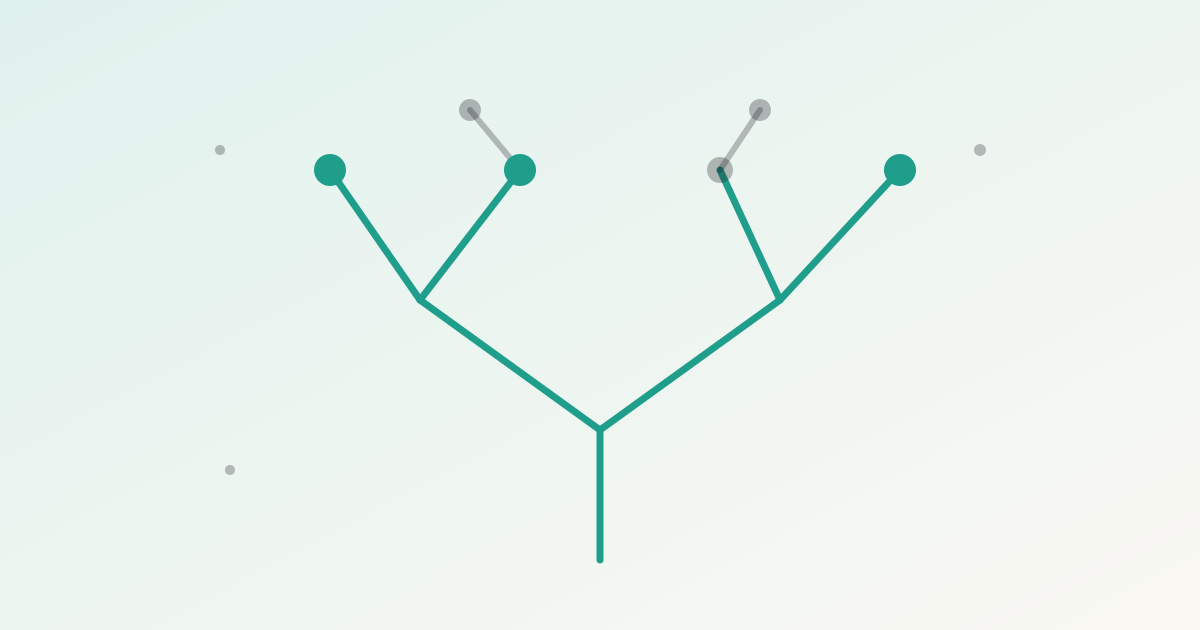
The most important idea in biology is also the most misquoted. Darwin's real theory is quieter, stranger, and far more powerful than 'survival of the fittest' ever suggested.
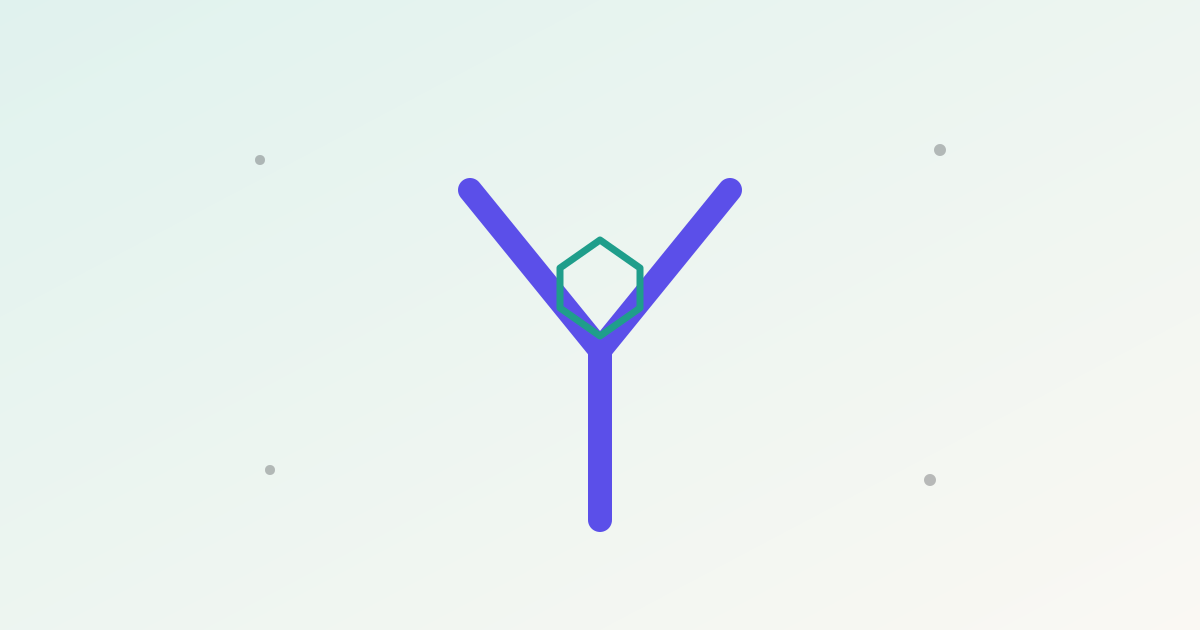
A vaccine isn't medicine for when you're sick — it's a rehearsal you run while healthy. How the body learns an enemy's face in advance, and why some enemies keep changing it.

Plants move captured sunlight to the reaction center with near-perfect efficiency — possibly by letting the energy explore every path at once, quantum-style. A notebook on a contested, beautiful idea.

Every animal with a nervous system seems to sleep, it's costly and dangerous, and we still don't have one agreed answer for why. A working notebook of the leading hypotheses and where I currently lean.

We switch off a person's consciousness on purpose, millions of times a year, and switch it back on unharmed. The astonishing part: we still can't fully say how. A working notebook.

Your brain runs on about 20 watts — a dim lightbulb — whether you're solving equations or staring at a wall. The energy is real, but it barely moves when you think harder.
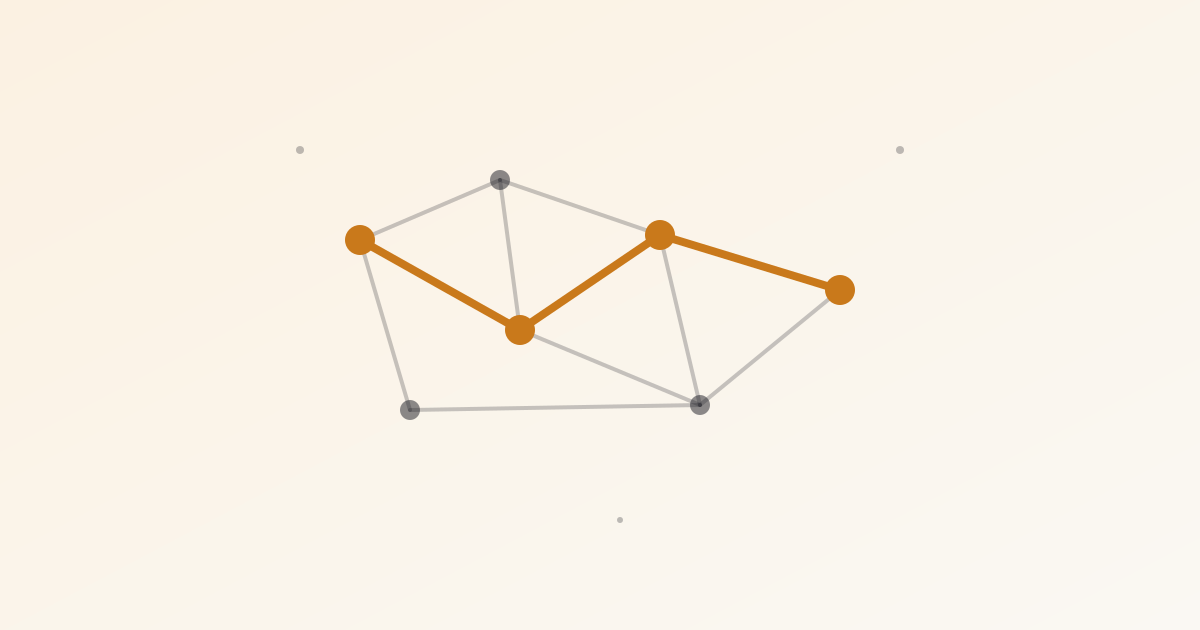
You don't play memories back like a video; you rebuild them from scratch, a little differently each time. What's stored isn't the scene but the strength of a few connections.
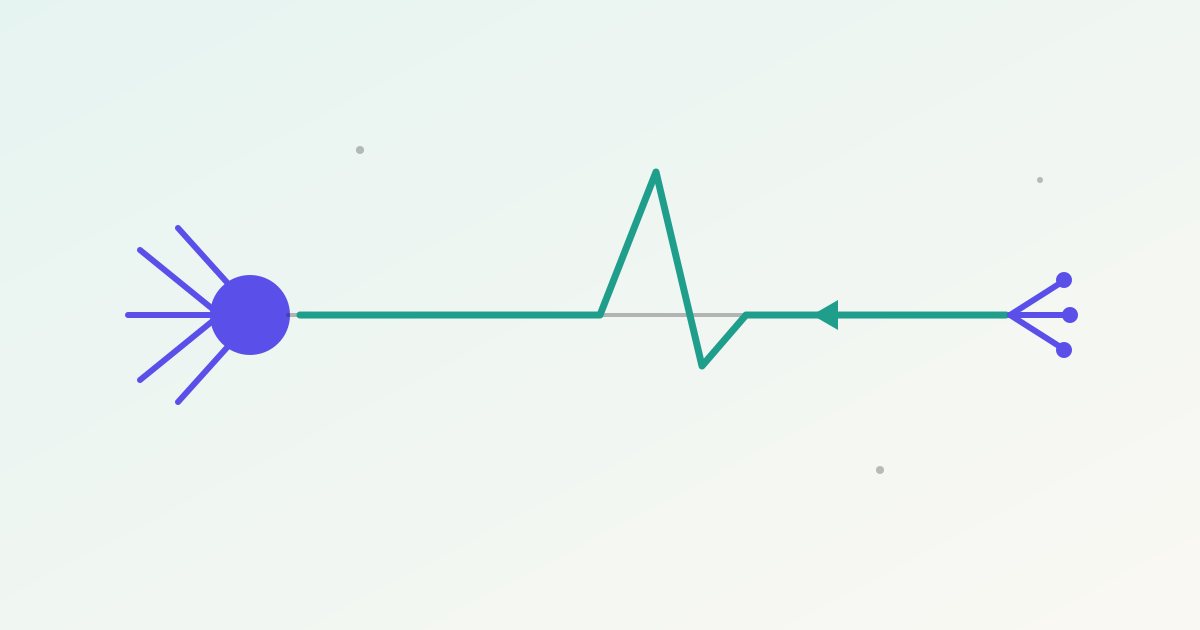
A thought, a flinch, a stubbed toe — all of it rides on a one-millisecond pulse. But the nerve impulse isn't electricity in a wire; it's a wave of salt, and it moves a million times slower.