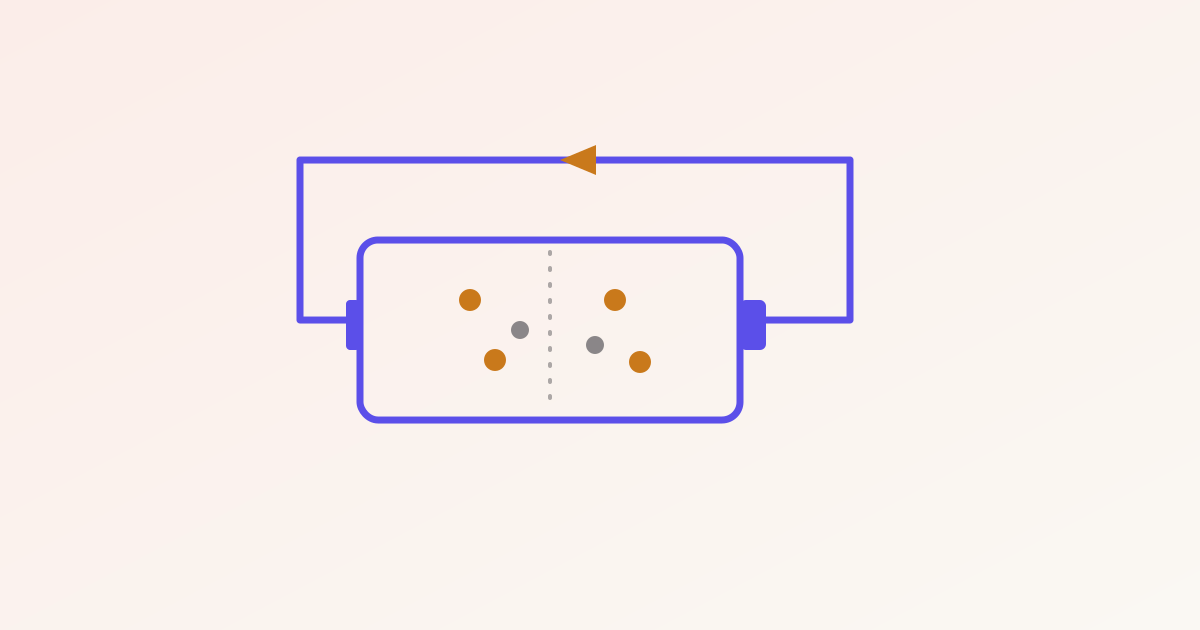
The Slow Chemistry Inside a Battery
A battery is two reactions kept apart, forced to trade electrons through your device. Discharge, recharge, and why every battery eventually dies — the chemistry made concrete.
- Chemistry
The garden
Living documents we keep tending, revising, and growing.
7 documents
A battery is two reactions kept apart, forced to trade electrons through your device. Discharge, recharge, and why every battery eventually dies — the chemistry made concrete.
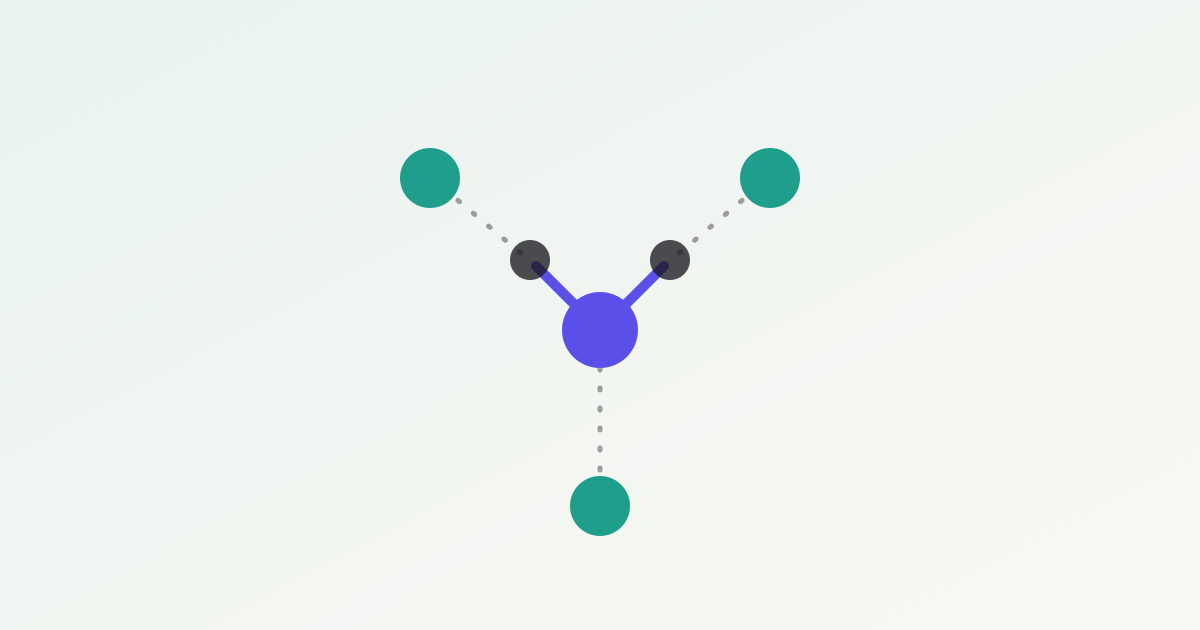
Ice floats, water resists temperature change, and it climbs up trees against gravity. Nearly every weird thing water does traces back to one feature: the hydrogen bond.
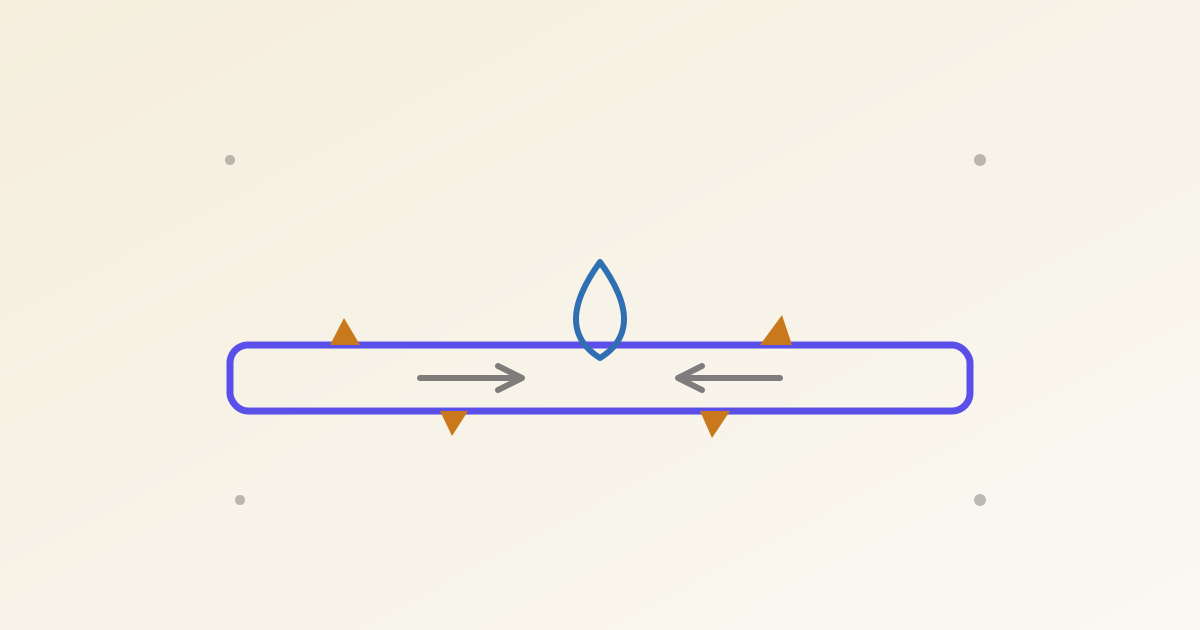
Leave a nail in the rain and it rots; leave a gold ring in a tomb for 3,000 years and it still gleams. Both are metals. Why does one corrode and the other never even tarnish?
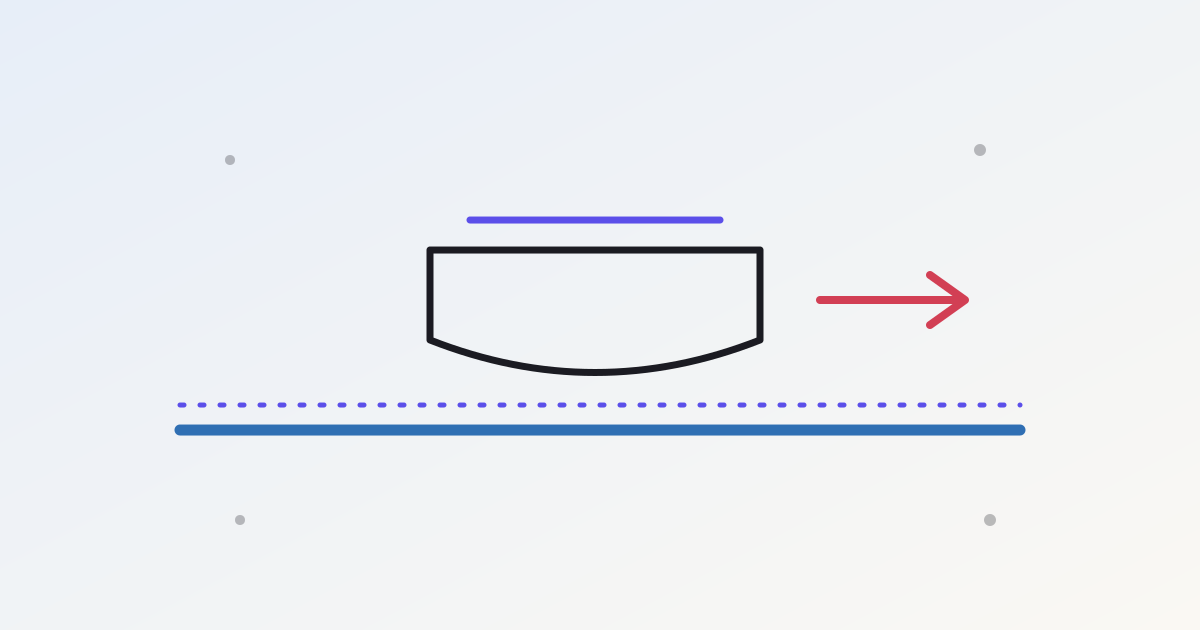
You can walk on stone, glass, dry metal. Freeze a sheet of water and suddenly your feet won't hold. What makes this one solid so treacherous — and why do scientists still argue about it?
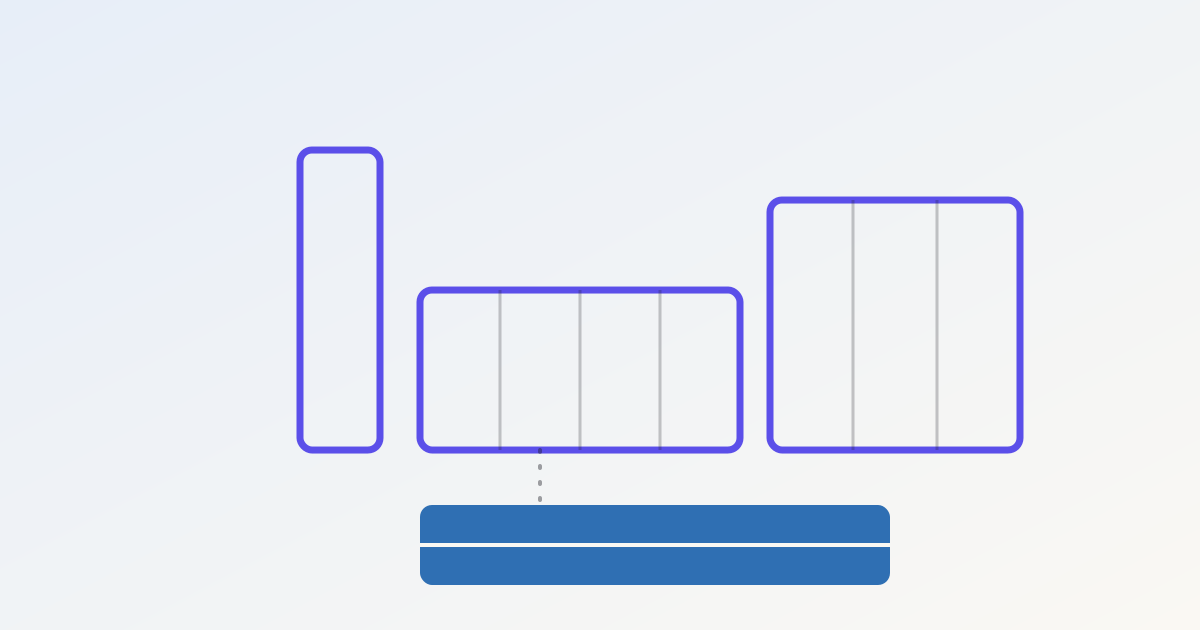
The blocks, the gap in the middle, the two rows exiled to the bottom — none of it is arbitrary. The table's shape is a portrait of how electrons stack inside atoms.

A candle flame looks like the most ordinary thing in the world and is one of the strangest. Not a substance, not quite glowing gas — a self-feeding chemical reaction you can hold a match to.
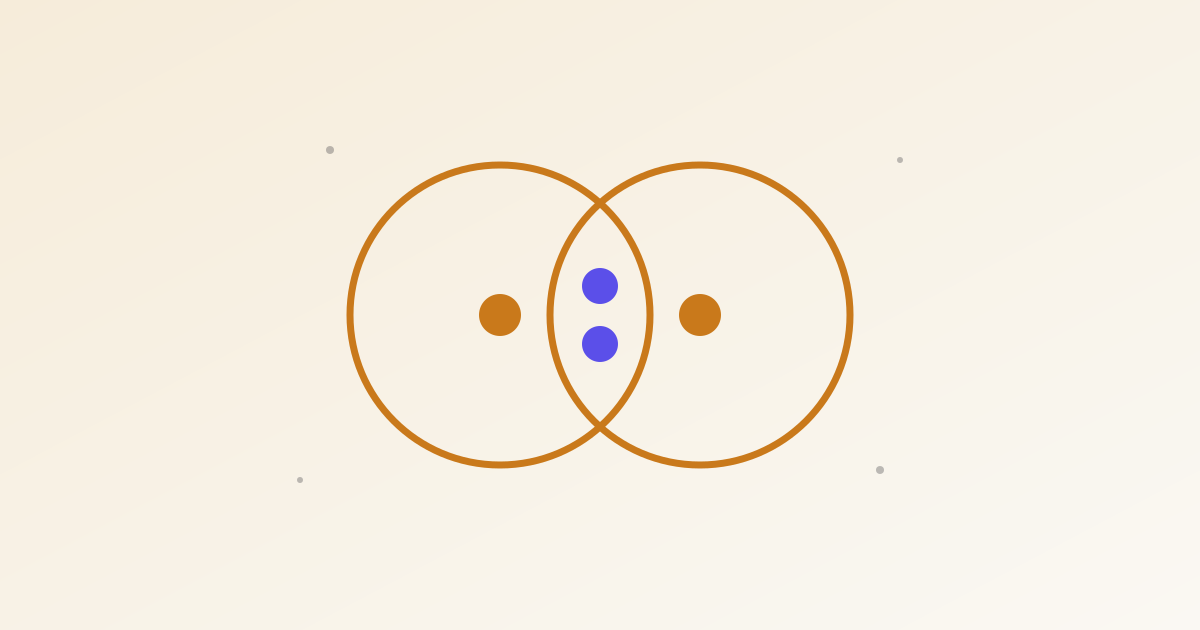
Atoms don't 'want' anything, and breaking a bond never releases energy — the two things everyone learns about chemical bonds are both backwards. A field guide to the handful of ways electrons actually hold the world together.