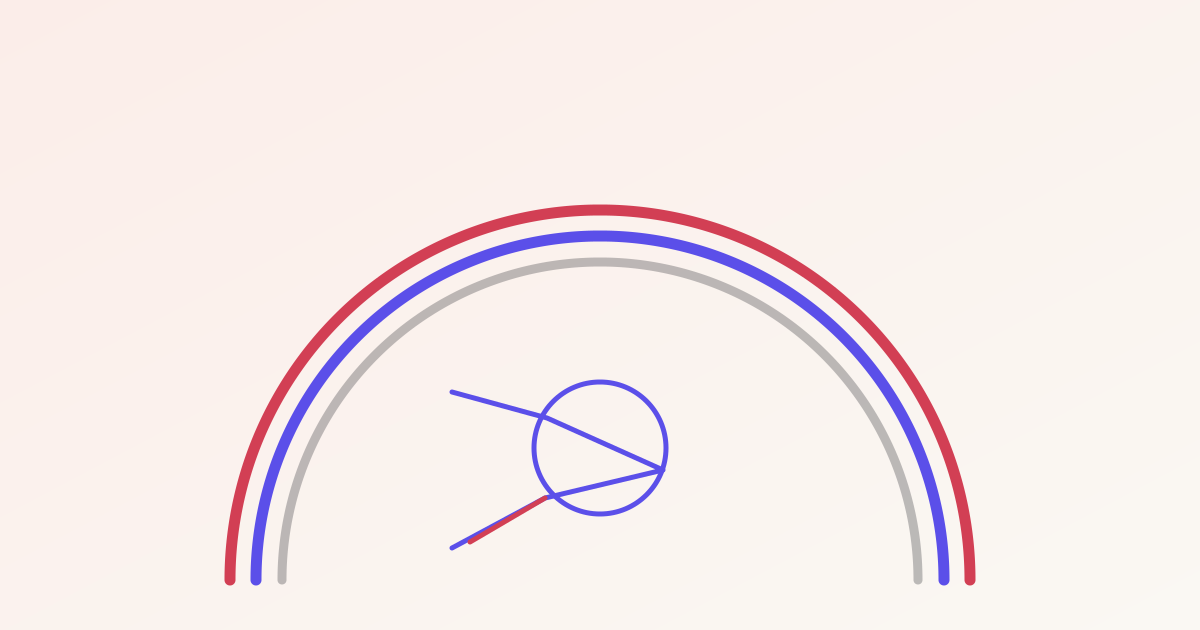
The Hidden Geometry of a Rainbow
Every raindrop bends and bounces sunlight into a cone exactly 42 degrees wide. That single angle explains the arc, the order of the colors, and why you can never reach the end.
- Waves & Light
The garden
Living documents we keep tending, revising, and growing.
16 documents
Every raindrop bends and bounces sunlight into a cone exactly 42 degrees wide. That single angle explains the arc, the order of the colors, and why you can never reach the end.
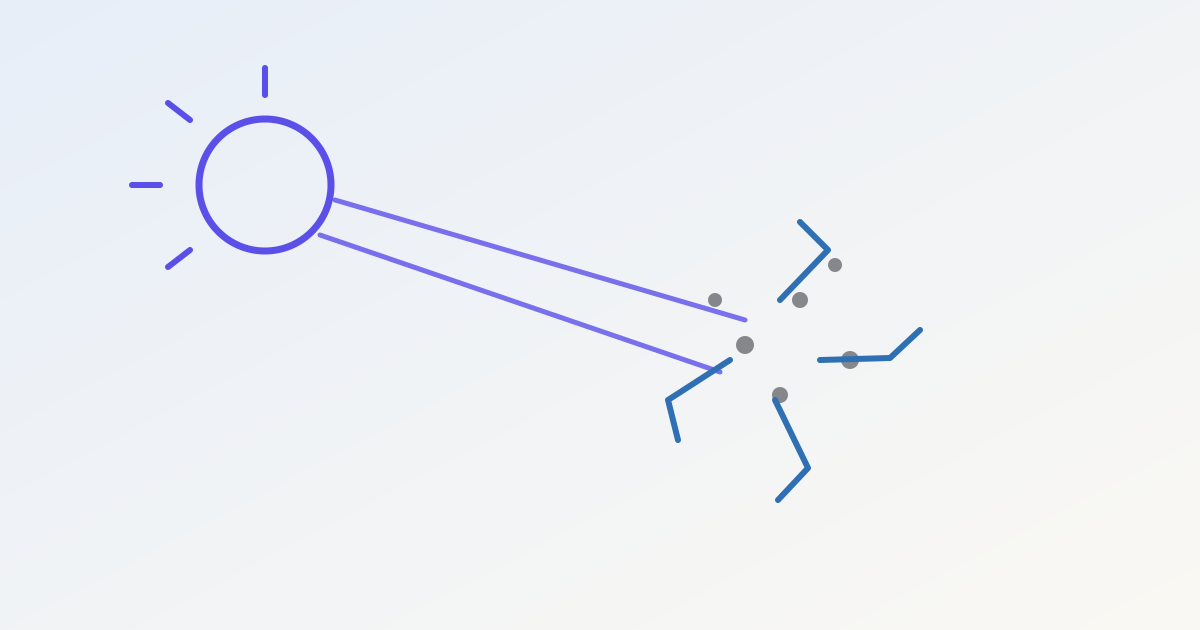
Air scatters blue light far more than red, so the daytime sky glows blue and the setting sun, seen through more air, turns red. The same physics, two times of day.
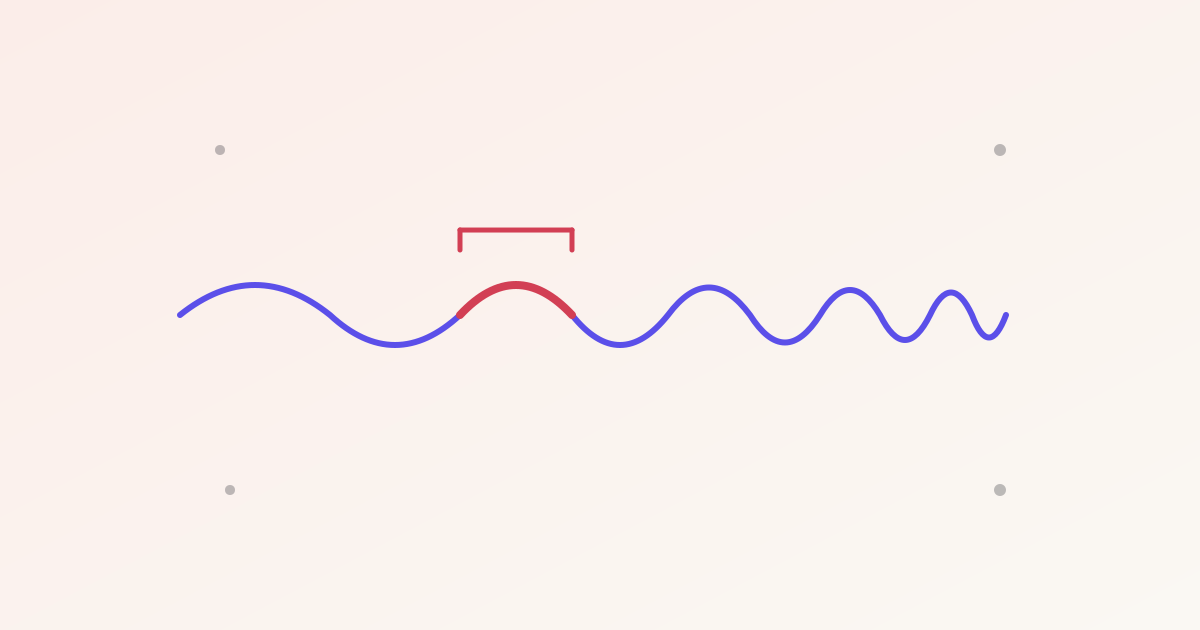
Every colour you can see is a thin slice of one vast family of waves — and most of the family is invisible, passing through the room right now. A field guide to the light you can't see.
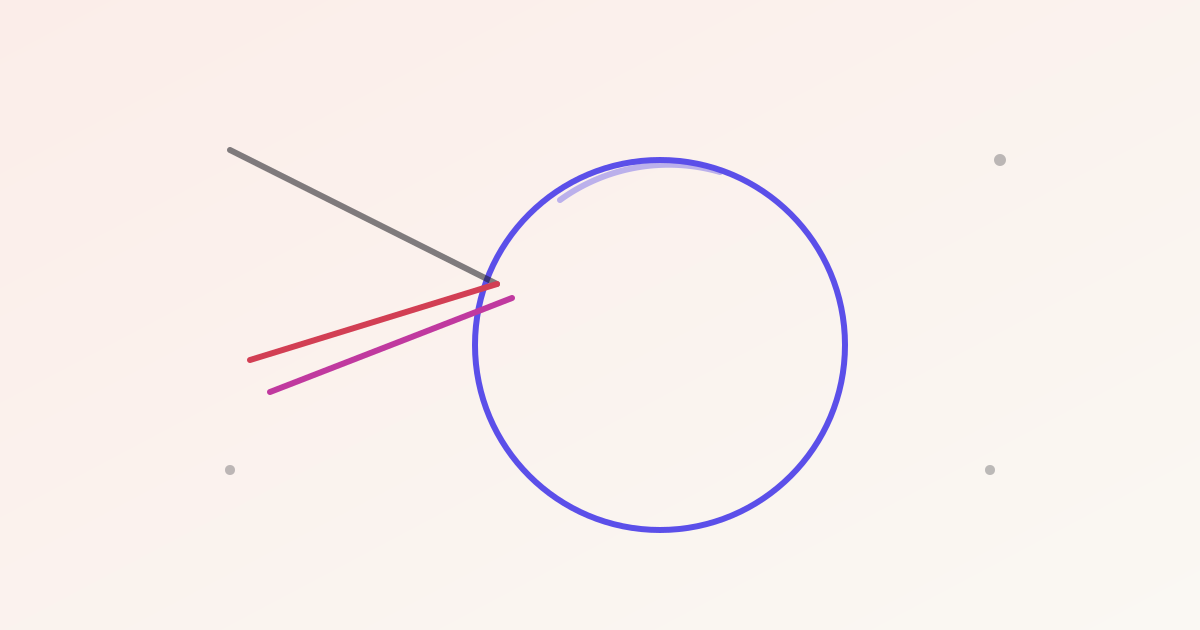
Soap is colourless and so is water, yet a bubble swirls with every colour there is — none of it painted on. The colours come from something stranger than a prism.
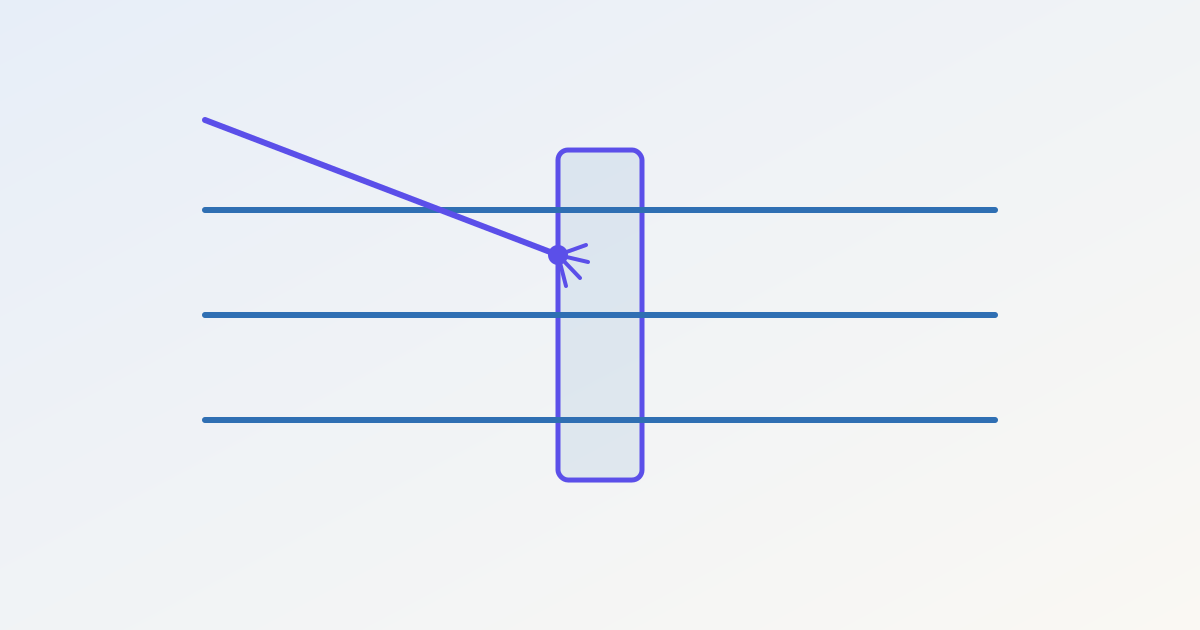
Glass is a dense solid, yet light crosses it untouched. Not because light finds the gaps — because visible light has no allowed energy rung to spend itself on, and so is never absorbed at all.
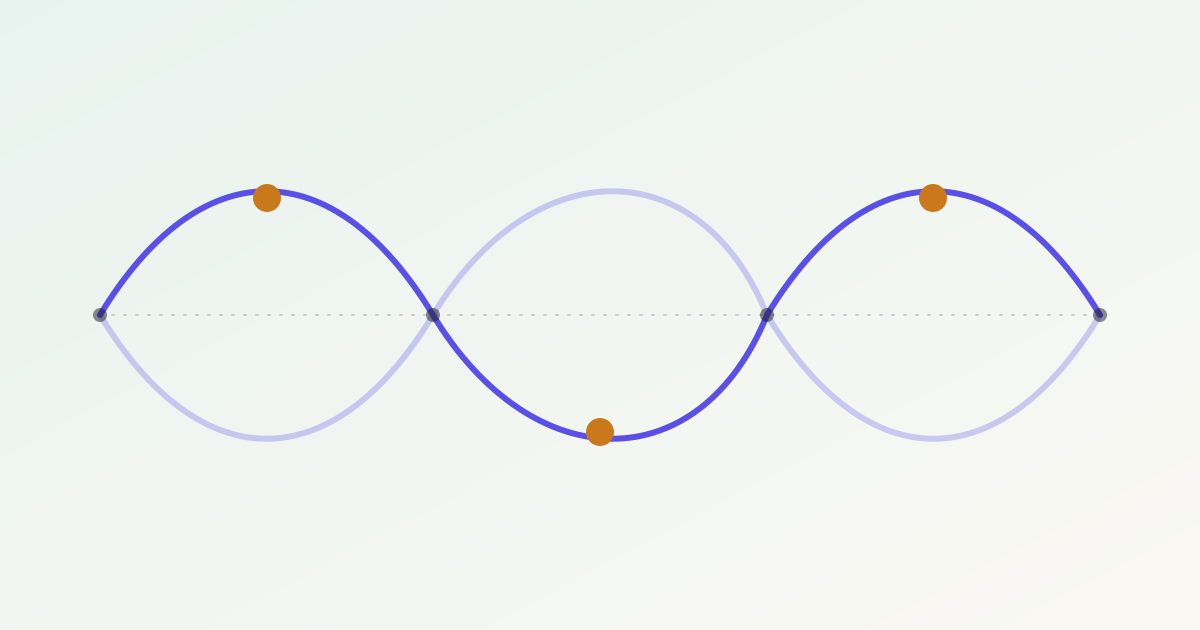
A genuinely doable kitchen experiment: melt chocolate in a microwave with the turntable off, measure the gaps between hot spots, and recover the speed of light to within a few percent. Full method, data, and error budget.
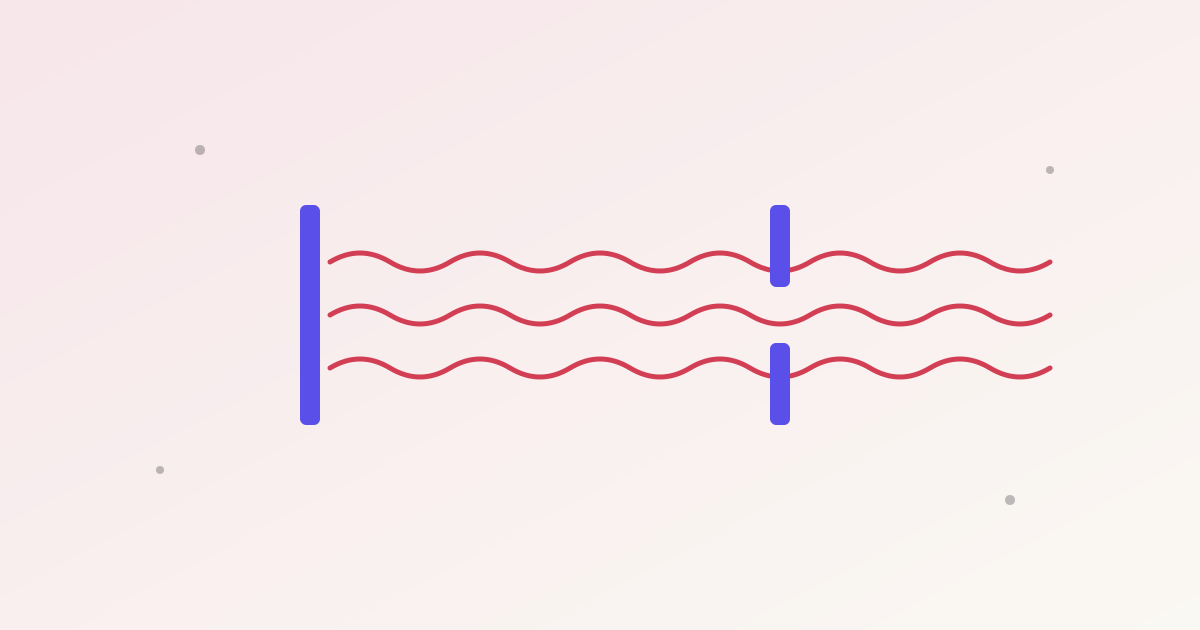
A laser isn't just a brighter, tidier flashlight. It's light doing something ordinary light never does — moving in perfect lockstep — and Einstein predicted the trick forty years before anyone built one.
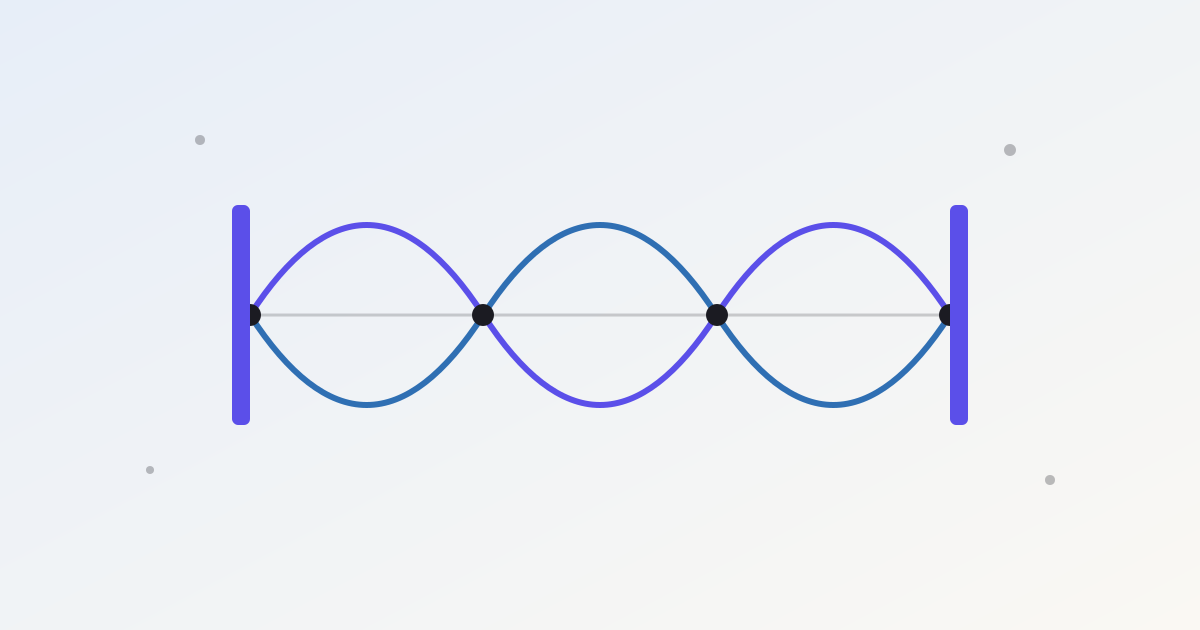
Push a swing at the right moment and it climbs on a whisper. The same trick tunes a radio, photographs your knee, and shatters a wine glass with a note — and it is not what wrecked the Tacoma Narrows Bridge.
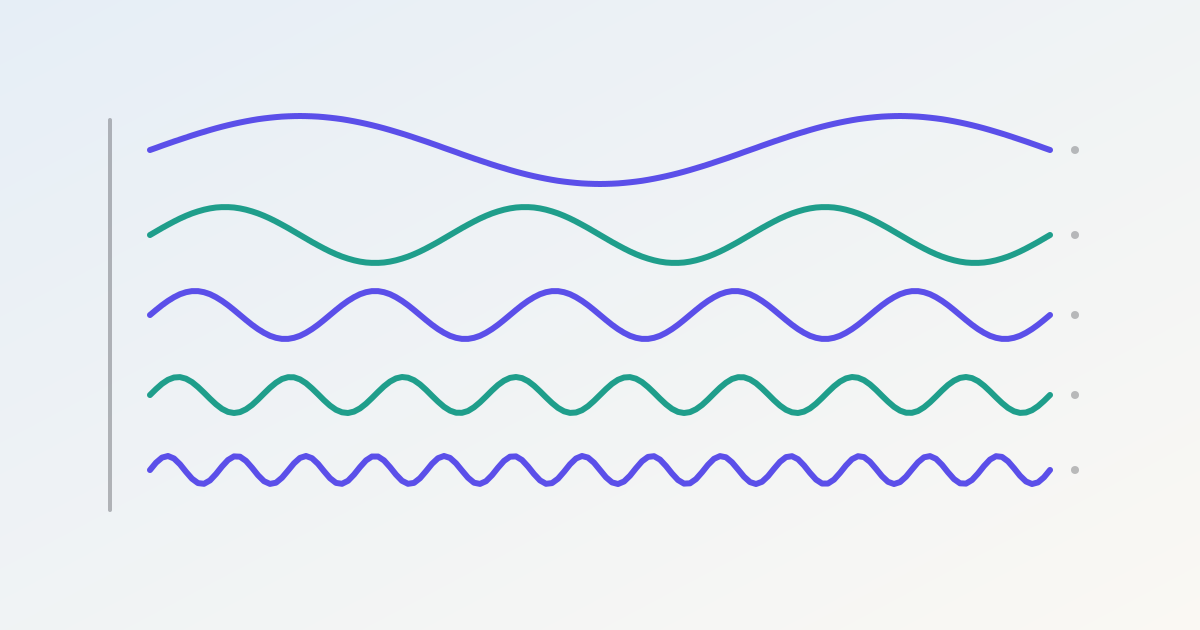
Delta, theta, alpha, beta, gamma — the brain hums at different frequencies depending on what it's doing. A guide to the rhythms an EEG picks up, and what each one means.

Blue stars are scorching, red stars are cool — the opposite of the kitchen tap. The color of a star is a thermometer you can read with your naked eye, and it's the same physics as a glowing coal.

For decades astronomers assumed the Sun was built of much the same elements as the Earth. A twenty-five-year-old's 1925 thesis proved it is almost entirely hydrogen — and she was pressured to call her own result wrong.
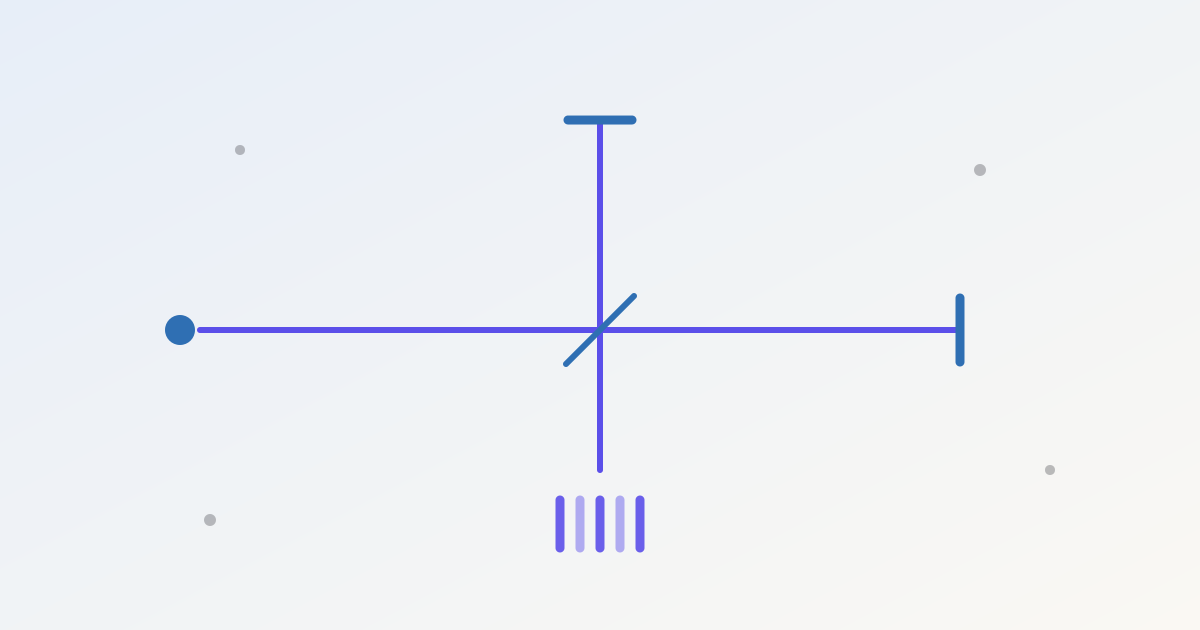
In 1887 two Americans built the most precise instrument on Earth to catch the wind of the aether — and found nothing at all. The nothing broke physics, and a century later the same design heard two black holes collide.
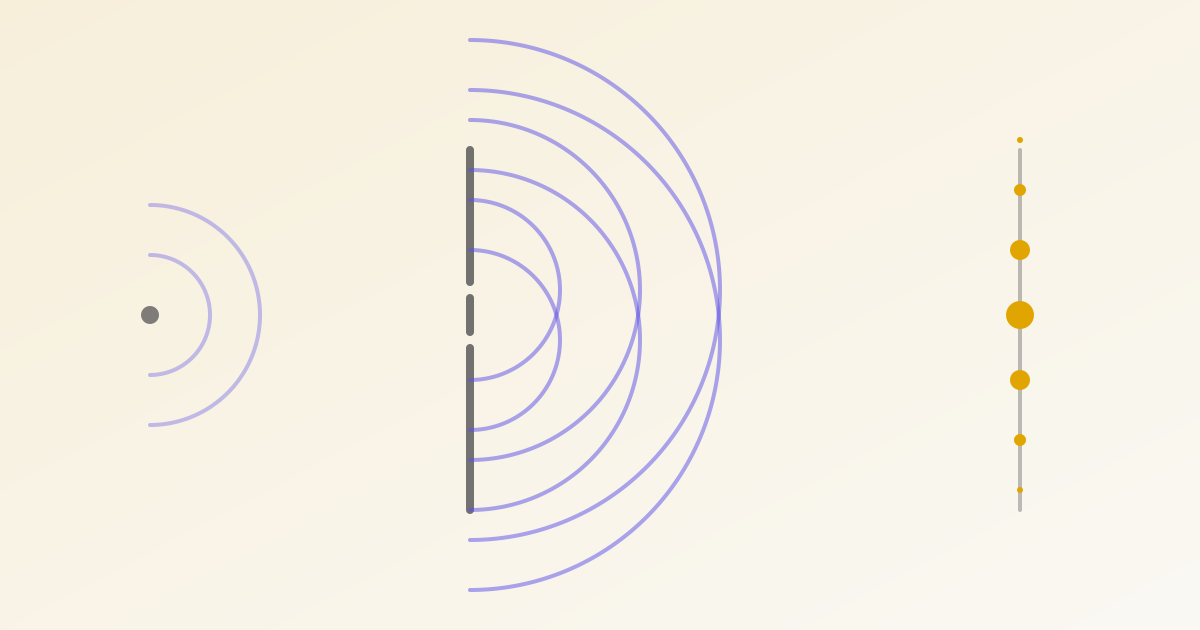
Fire electrons one by one at two slits and an interference pattern still appears — as if each electron passes through both. The experiment Feynman called the heart of quantum mechanics.
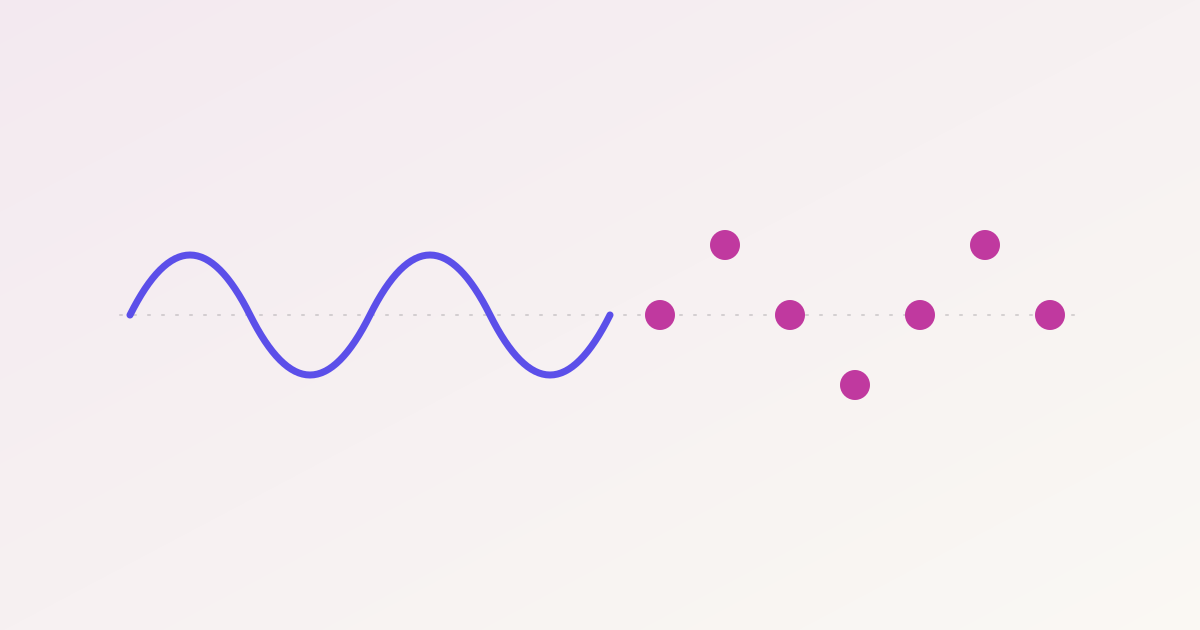
Light behaves like a wave until you ask it to behave like a particle, and matter returns the favor. Duality isn't a paradox so much as a warning that our two words are too small.
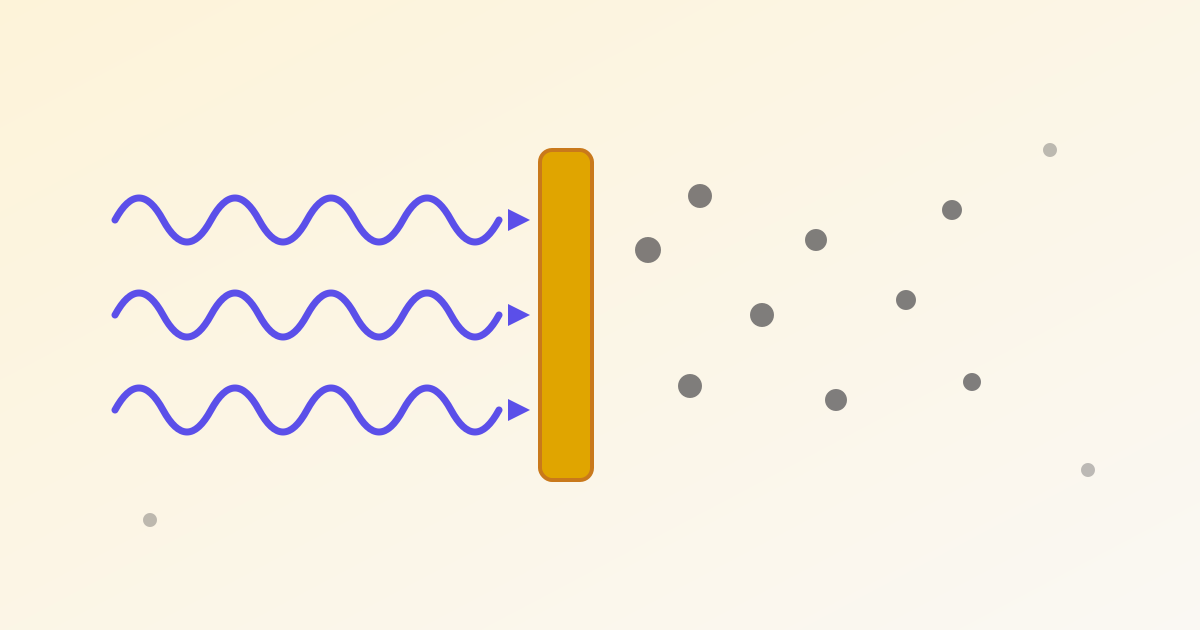
Not relativity — a humble experiment about light knocking electrons out of metal. It forced physics to accept that light comes in particles, and it explains the solar panel on your roof.
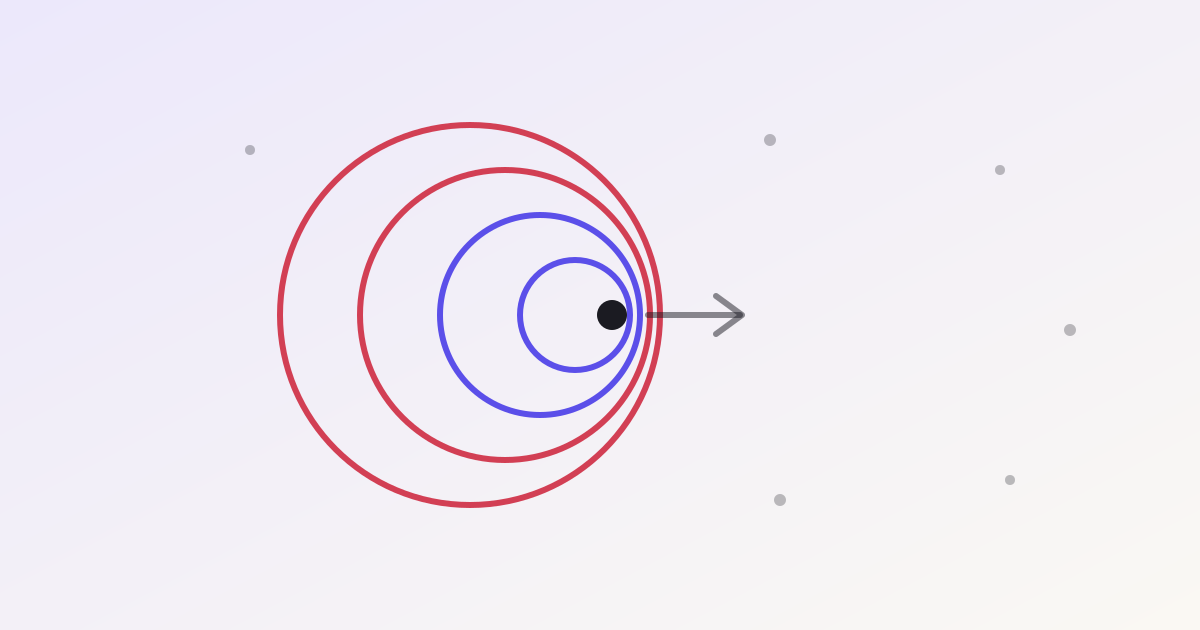
The falling pitch of a passing siren is the same trick we use to weigh unseen planets and clock fleeing galaxies. Why the change lives in the space between you and the source, never in the source itself.